

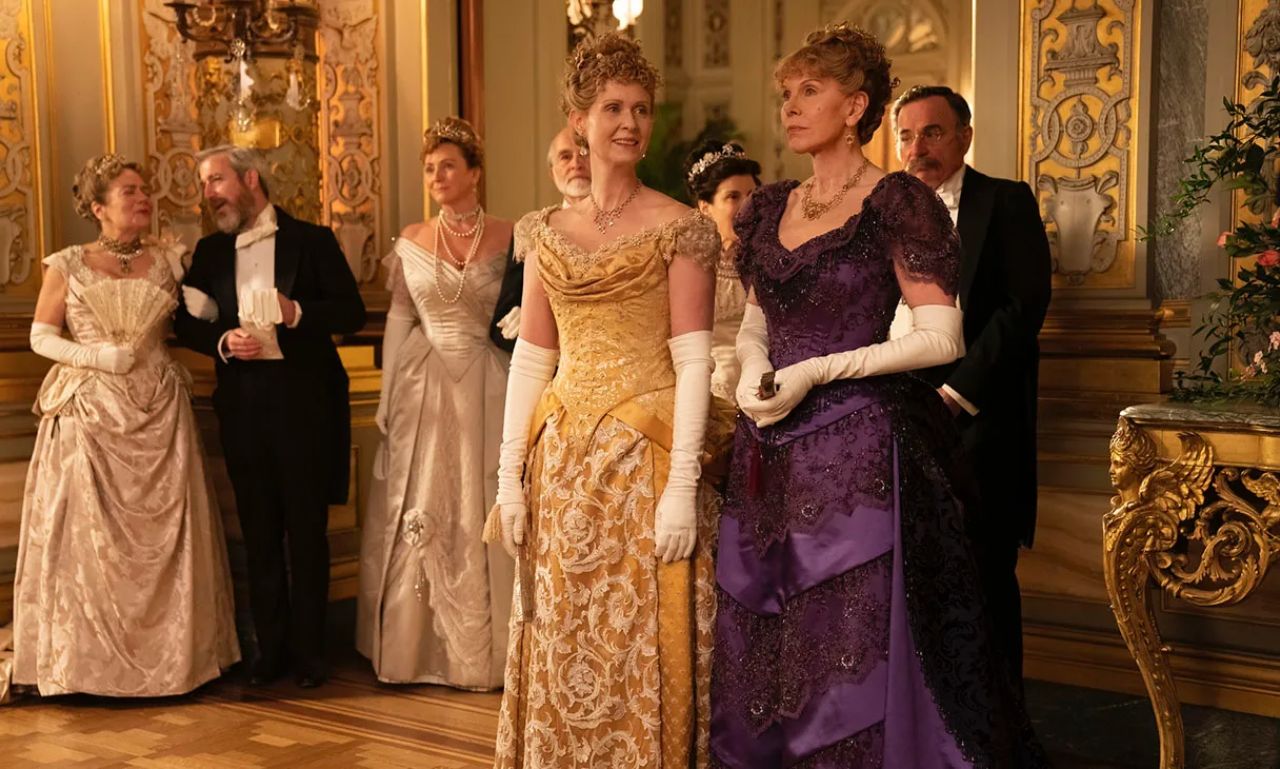
The Gilded Age marked a dramatic chapter in American history, defined by rapid industrialization, economic expansion, urban growth, wealth concentration, technological innovation, and social transformation. This era reshaped businesses, cities, and daily life, creating unprecedented opportunities while exposing deep inequalities beneath the nation’s shining economic surface.
Behind the glitter of gilded hid extreme wealth, harsh labor, political corruption, powerful tycoons, social tension, and economic imbalance. What looked prosperous raised questions that still echo today.
During this Age, America shifted rapidly as big business, corporate monopolies, railroad expansion, financial systems, immigration growth, and urban development transformed the nation. These changes built modern America while leaving lasting lessons about fairness, power, and economic responsibility.
The Gilded Age Profile Summary
| Actor | Details |
| Louisa Jacobson | Plays Marian Brook. American actress, born June 12, 1991. Daughter of Meryl Streep. Known for calm, graceful screen presence. |
| Denée Benton | Plays Peggy Scott. American actress and singer, born September 14, 1991. Broadway star and strong dramatic performer. |
| Cynthia Nixon | Plays Ada Brook / Forte. American actress, born April 9, 1966. Famous for Sex and the City. Known for gentle, moral roles. |
| Christine Baranski | Plays Agnes van Rhijn. American actress, born May 2, 1952. Known for powerful, authoritative characters. |
| Carrie Coon | Plays Bertha Russell. American actress, born January 24, 1981. Known for ambitious and intense roles. |
| Morgan Spector | George Russell. American actor, born October 4, 1980. Portrays a wealthy industrial businessman. |
| Audra McDonald | Plays Dorothy Scott. American actress and singer, born July 3, 1970. Multiple Tony Award winner. |
| Harry Richardson | Larry Russell. Australian actor, born 1993. Known for youthful and creative characters. |
| Taissa Farmiga | Gladys Russell. American actress, born August 17, 1994. Known for American Horror Story. |
| Ben Lamb | Plays Hector, Duke of Buckingham. British actor, born August 30, 1985. Known for period dramas. |
| Jordan Donica | Dr. William Kirkland. American actor and singer, born April 18, 1994. Broadway performer. |
| Blake Ritson | Plays Oscar van Rhijn. British actor, born May 14, 1978. Known for historical dramas. |
| Jack Gilpin | Plays Church. American actor, born 1951. Known for authoritative supporting roles. |
What Was the Gilded Age?
This era described a time of rapid industrial growth, economic change, urban expansion, wealth creation, and technological progress. Large industries grew fast, cities expanded quickly, and new jobs appeared, but many workers faced tough conditions and unequal opportunities in daily life.
It reflected a period where business power, factory systems, railroad networks, financial markets, and mass production shaped society. While progress looked impressive, many families struggled, showing a sharp contrast between success and hardship across growing American cities.
Why Is It Called the Gilded Age?
The name highlighted a society covered in visible wealth, luxury lifestyles, grand mansions, elite influence, and economic display. Beneath this shiny surface, poverty and unfair labor practices existed, proving that prosperity was often only skin-deep.
It symbolized a time where rich elites, political power, corporate control, social inequality, and public illusion shaped national life. The glitter impressed outsiders, yet hidden struggles revealed serious social and economic problems.
Time Period and Historical Background
This period followed the Civil War and introduced industrial expansion, railroad development, immigration growth, urbanization, and economic rebuilding. The nation focused on rebuilding itself while industries replaced farms as the main source of income and opportunity.
It emerged during years of political change, technological advancement, population shifts, market growth, and social reform movements. These historical forces worked together, shaping modern America and laying foundations for future economic and cultural development.
Major Economic Changes During the Gilded Age
This era transformed the economy through industrial growth, factory systems, business expansion, urban development, and financial power. Traditional farming declined as machines, industries, and cities expanded rapidly. Wealth increased for owners, while workers faced long hours, low wages, and unstable working conditions.
Rapid Industrial Expansion and Factory Growth
Factories multiplied quickly, driven by mass production, machine labor, industrial technology, urban jobs, and manufacturing growth. Cities filled with workers seeking employment, while production costs dropped and goods became widely available to the public.
- Factories increased output using machines, assembly lines, and faster production methods across industries.
- Urban areas expanded as workers migrated, seeking factory jobs and steady income opportunities.
- Industrial growth boosted profits, business investment, and national economic strength rapidly.
- Factory systems changed daily life through long shifts, strict schedules, and repetitive labor.
Shift From Agrarian Economy to Industrial Power
The economy moved away from farming toward industrial dominance, urban employment, commercial trade, factory wages, and mechanized production. Many families left rural areas, choosing city jobs that promised income but demanded harder working conditions.
- Farming declined as machines replaced labor, reducing agricultural job demand steadily.
- Cities attracted workers with factory wages, housing, and access to markets.
- Industrial power increased national output, exports, and domestic consumption levels.
- Rural lifestyles shifted due to economic pressure, urban opportunity, and modernization.
Rise of Corporate Capitalism and Monopolies
Large corporations gained control through corporate capitalism, monopoly power, business consolidation, market dominance, and financial influence. Wealth concentrated among owners, while smaller businesses struggled to compete in rapidly expanding industrial markets.
- Big companies controlled prices using trusts, mergers, and exclusive agreements.
- Monopolies reduced competition, increasing profits, market control, and economic influence.
- Corporate leaders gained political power, shaping laws and regulations.
- Small businesses suffered from unfair competition, price control, and limited market access.
Louisa Jacobson as Marian Brook
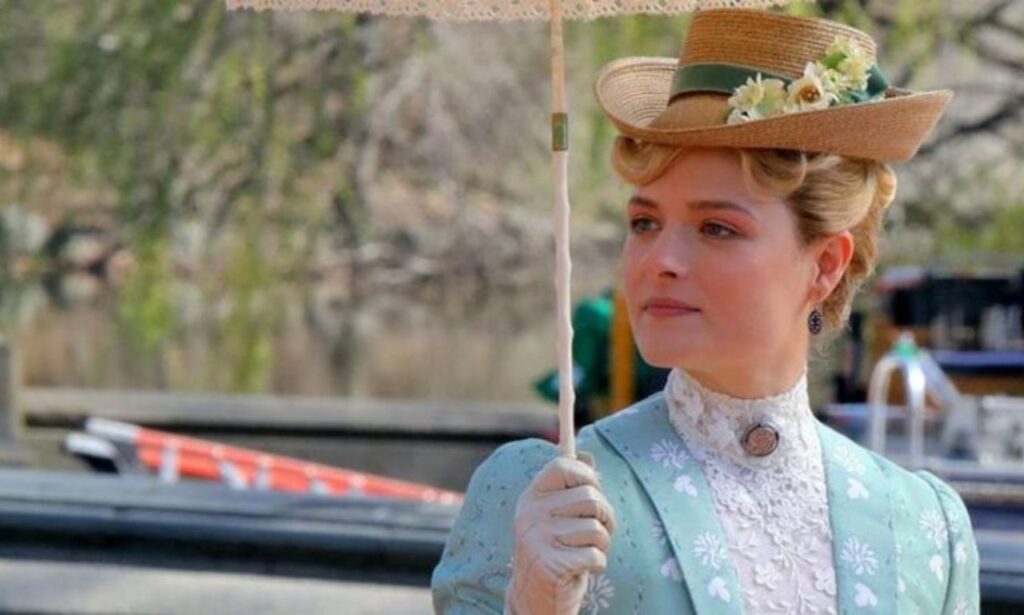
Louisa Jacobson brings Marian Brook to life with quiet strength, emotional depth, natural charm, period elegance, and character growth. Her performance shows a young woman learning society rules, facing pressure, and choosing independence while staying kind, hopeful, and observant in a demanding social world shaped by expectations and tradition daily.
She connects with viewers through subtle emotions, graceful presence, social curiosity, inner conflict, and personal resilience. The role highlights growth, mistakes, and courage, making her journey feel real, relatable, and meaningful from start to finish for audiences across different backgrounds and ages worldwide today
Denée Benton as Peggy Scott
Denée Benton portrays Peggy Scott with intelligence, strong ambition, creative talent, journalistic drive, and emotional strength. Her character represents determination, facing racial barriers, career struggles, and personal loss while chasing success through writing, truth, and self-respect in a changing society demanding courage, patience, and constant resilience daily, always forward bravely.
She delivers depth using powerful dialogue, expressive acting, historical realism, strong morals, and clear purpose. The storyline adds balance, showing hope, progress, and identity through thoughtful scenes that feel inspiring and emotionally grounded for modern viewers, students, and history lovers worldwide today deeply connected now.
Cynthia Nixon as Ada Brook/Forte
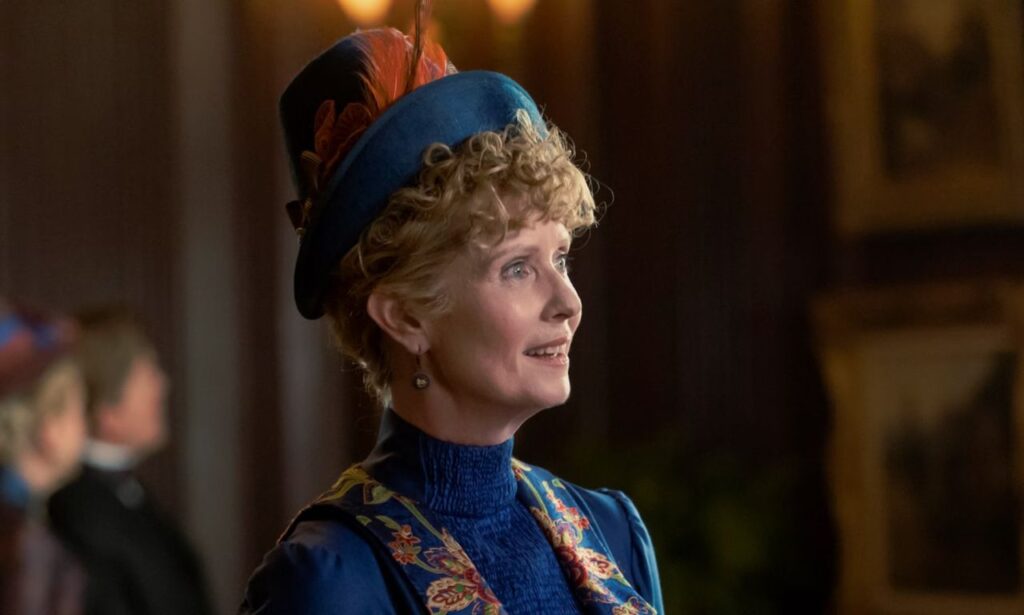
Cynthia Nixon presents Ada Brook Forte with gentle warmth, quiet wisdom, moral clarity, emotional sensitivity, and inner courage. Her role shows kindness, faith, and personal growth, proving strength can appear soft while shaping lives through compassion and thoughtful choices within strict social expectations, family pressure, and tradition daily then quietly.
She balances tradition with personal belief, emotional honesty, family loyalty, moral strength, and soft resilience. The character evolves slowly, offering comfort, stability, and meaningful contrast within a tense, status-driven household shaped by class rules, expectations, society, and constant judgment around her daily life.
Christine Baranski as Agnes van Rhijn
Christine Baranski commands Agnes van Rhijn with sharp authority, social dominance, traditional values, elite presence, and witty expression. Her portrayal reflects old-money pride, strict rules, and resistance to change, controlling family life with confidence and firm judgment rooted in status, class, and reputation, shaping decisions daily always firmly then alone.
She adds tension using commanding dialogue, facial control, social power, traditional mindset, and emotional restraint. The character anchors conflict, highlighting generational divide, authority, and fear of losing influence within elite circles, family dynamics, rigid customs, and social expectations surrounding wealth, status, legacy daily life pressures.
Carrie Coon as Bertha Russell
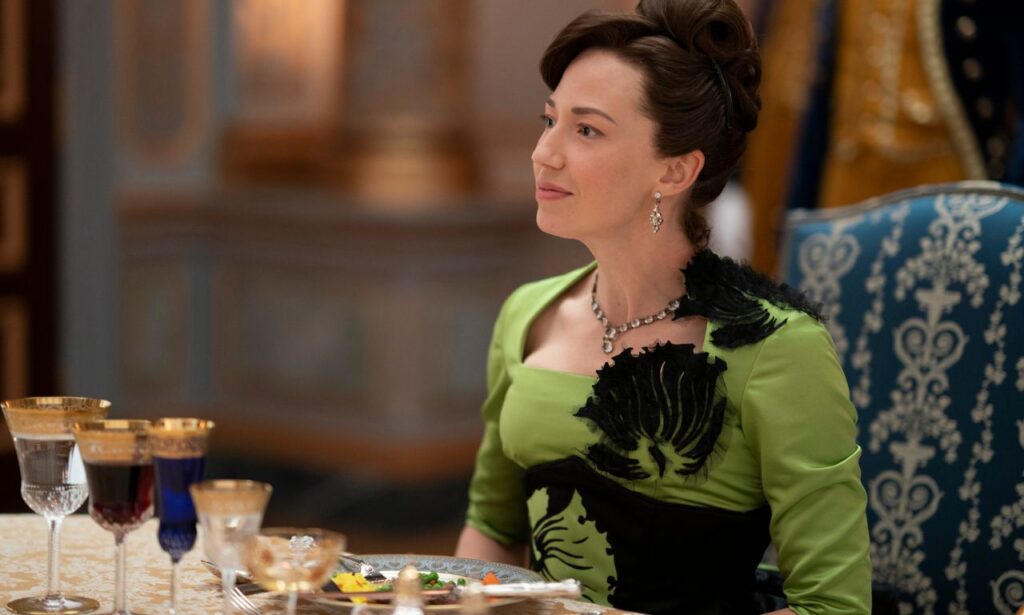
Carrie Coon portrays Bertha Russell with bold ambition, social determination, elite confidence, fashion authority, and strategic thinking. Her character pushes boundaries, challenges old traditions, and fights for acceptance among high society using influence, style, and relentless social planning in a competitive environment shaped by status and power daily.The role captures modern ambition within rigid society, showing how influence, wealth, and image shape respect and success in elite circles driven by competition and social recognition across gatherings.
| Aspect | Details |
| Social Role | Ambitious social climber |
| Personality | Confident and strategic |
| Key Strength | Social influence |
| Symbolism | New money power |
Audra McDonald as Dorothy Scott
Audra McDonald brings Dorothy Scott to life with maternal strength, emotional wisdom, protective instinct, moral grounding, and graceful resilience. Her character reflects family devotion, cultural identity, and guidance, offering stability and compassion within a society shaped by inequality, ambition, and personal sacrifice across generations.
She conveys depth through warm expressions, emotional restraint, parental care, moral clarity, and quiet dignity. The role highlights unconditional love and guidance, grounding the story with humanity and emotional balance amid social pressure and personal challenges faced by families navigating limited opportunities.
Morgan Spector as George Russell

Morgan Spector presents George Russell as a figure of business authority, financial intelligence, industrial power, calculated risk, and corporate ambition. His character represents progress, wealth creation, and determination, shaping the modern economy while balancing family loyalty and competitive pressure in a rapidly changing industrial society driven by profits.The role highlights ambition paired with discipline, showing how business success demands sacrifice, focus, and resilience within high-stakes financial and social environments defined by expansion and influence.
| Aspect | Details |
| Industry | Railroads and finance |
| Leadership Style | Calculated and firm |
| Core Trait | Determination |
| Representation | Industrial capitalism |
Harry Richardson as Larry Russell
Harry Richardson portrays Larry Russell with creative ambition, youthful optimism, architectural vision, personal curiosity, and independent thinking. His character seeks identity beyond wealth, exploring art, design, and purpose while navigating family expectations and personal dreams in a structured, status-focused society driven by tradition.
He adds relatability using gentle expression, curious mindset, creative passion, emotional openness, and growth potential. The role reflects youth caught between privilege and purpose, offering a softer, hopeful perspective within a world dominated by ambition, pressure, and rigid social hierarchy.
Taissa Farmiga as Gladys Russell
Taissa Farmiga plays Gladys Russell with youthful innocence, social curiosity, emotional sensitivity, restricted freedom, and personal longing. Her character shows the cost of privilege, balancing wealth with isolation while dreaming of independence, romance, and a life shaped by personal choice.
She captures vulnerability through soft emotions, limited agency, family control, quiet rebellion, and emotional growth. The role highlights young women constrained by status, expectations, and parental ambition, revealing tension between duty and desire within elite households shaped by image and control.
Ben Lamb as Hector, The Duke of Buckingham
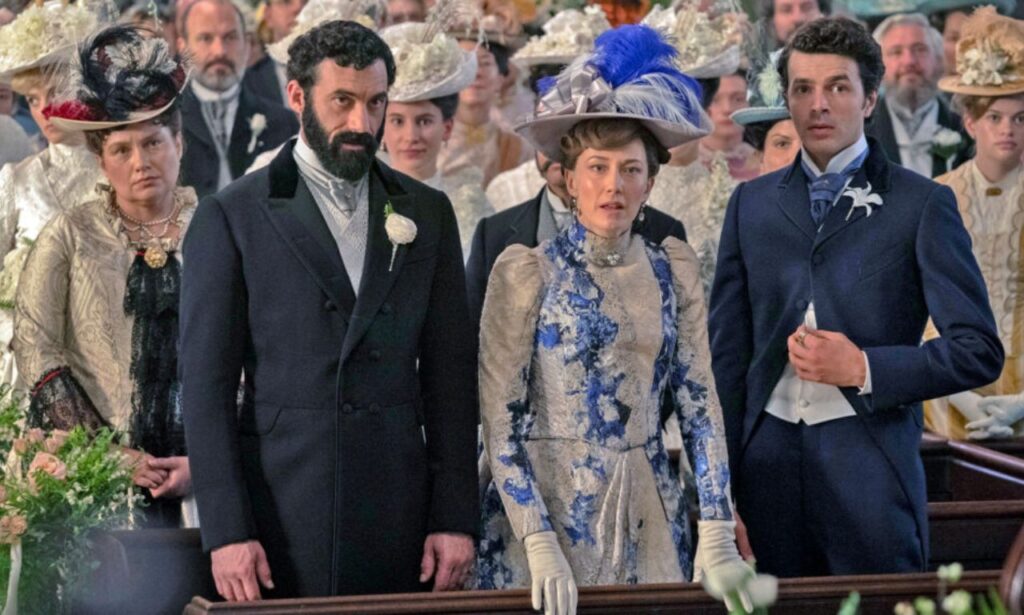
Ben Lamb presents Hector with royal charm, European elegance, social prestige, aristocratic confidence, and strategic manners. His character brings foreign influence, status, and fascination, showing how titles and reputation attract attention within elite circles shaped by wealth, image, and powerful connections across society events.
He adds intrigue through polished speech, formal conduct, social ambition, public admiration, and status symbolism. The role reflects how nobility creates influence, romance, and opportunity, while revealing social competition and expectations within high society gatherings and carefully controlled relationships.
Jordan Donica as Dr. Kirkland
Jordan Donica portrays Dr. Kirkland with professional authority, medical knowledge, ethical values, calm demeanor, and intellectual presence. His character represents education and service, offering trust and stability in a society where progress, science, and responsibility slowly gained respect and recognition.
He delivers strength using measured dialogue, moral balance, clinical discipline, respectful conduct, and quiet confidence. The role adds realism, showing how trained professionals earned influence through skill, patience, and dedication rather than inherited status or wealth.
Blake Ritson as Oscar van Rhijn
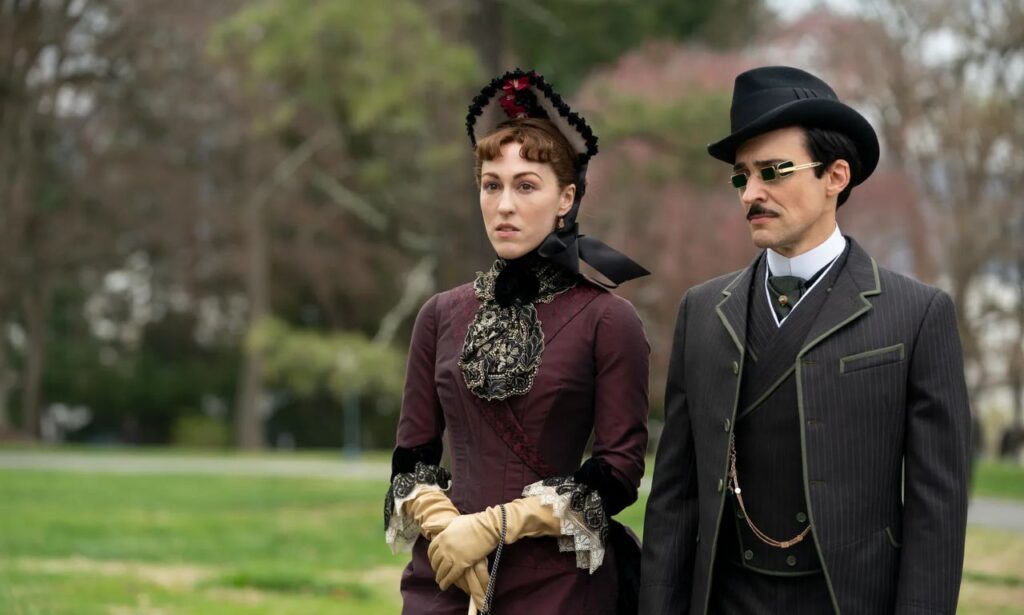
Blake Ritson brings Oscar van Rhijn to life with social charm, calculated ambition, emotional restraint, status awareness, and hidden vulnerability. His character navigates expectations, wealth, and appearances while pursuing security and comfort in a rigid society driven by reputation.
He creates tension through strategic behavior, controlled emotions, social pressure, private conflict, and polished manners. The role exposes personal struggles behind public confidence, highlighting risk, desire, and consequence within elite family structures and strict social rules.
Jack Gilpin as Church
Jack Gilpin portrays Church with strict discipline, loyal service, commanding authority, practical intelligence, and firm control. His character enforces order, protects household interests, and represents power operating quietly behind grand homes and respected family names.
He reinforces tension using direct speech, controlled movement, professional loyalty, social hierarchy, and silent influence. The role highlights how trusted staff maintained structure, secrets, and authority within elite households, shaping daily life through obedience, discretion, and discipline.
Is Meryl Streep’s daughter in The Gilded Age?
Yes, Louisa Jacobson, Meryl Streep’s daughter, stars as Marian Brook, portraying a young woman navigating society with charm, intelligence, growth, and emotional depth in elite circles.
Is The Gilded Age worth watching?
Absolutely, it’s worth watching for its stunning costumes, intriguing drama, complex characters, historical setting, social intrigue, and engaging storytelling that captures ambition, wealth, and society tensions perfectly.
Are there queer characters in the gilded?
Yes, the show includes queer characters portrayed with sensitivity, highlighting relationships, personal struggles, societal expectations, and identity conflicts during a rigid, status-driven historical period.
Who is leaving the gilded season 3?
Some original cast members may depart in season 3, creating shifts in storylines, character arcs, and social dynamics, allowing fresh plot development and new conflicts to emerge.
Who is the new cast for season 3 of the gilded?
Season 3 introduces new cast members adding fresh energy, perspectives, and drama to the story, enriching relationships, conflicts, and social intrigue among the existing elite families.
Conclusion
The Gilded Age shows a world of wealth, power, and social rules. Characters face challenges, ambition, and growth, while society changes fast. Drama, emotions, and relationships make it exciting, showing life in a time of class difference and opportunity.
This series teaches about family, status, and choices. Viewers see love, ambition, and conflict in every story. It mixes history, fashion, and society, making it both entertaining and meaningful for anyone curious about the past and human struggles.

Hi, I’m Kitty Ramos, the creative mind behind PunScoop.com, your go-to spot for daily doses of pun-packed fun and clever wordplay. I explore the quirks of language, crafting witty headlines, playful listicles, and smart one-liners that entertain and inspire. Dive in with me and discover how a perfectly timed pun can brighten your day, spark laughter, and turn ordinary moments into unforgettable wordplay adventures.